
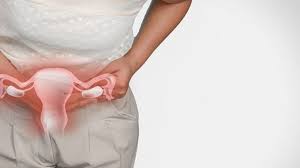
Fibroids: What You Need to Know
- Uterine fibroids are an extremely common condition in which solid tumors develop in the uterus.
- Fibroids are not cancerous and do not increase the risk for uterine cancer.
- It is not known what causes fibroids, but studies suggest genetics and prolonged exposure to estrogen may increase your risk of developing fibroids.
- Symptoms can include heavy and prolonged periods, bleeding between periods, pressure in the abdomen and pelvic pain.
- Fibroids are most often found during a routine pelvic exam or incidentally noted on imaging. If treatment is needed, it may include medications or surgery.
What are fibroids?
Fibroids are growths made of smooth muscle cells and fibrous connective tissue. These growths develop in the uterus and appear alone or in groups. They range in size, from as small as a grain of rice to as big as a melon. In some cases, fibroids can grow into the uterine cavity or outward from the uterus on stalks.
An estimated 20% to 50% of women of reproductive age currently have fibroids, and up to 77% of women will develop fibroids sometime during their childbearing years. Only about one-third of these fibroids are large enough to be detected by a health care provider during a physical exam, so they are often undiagnosed.
In more than 99% of fibroid cases, the tumors are not cancerous and do not increase the risk for uterine cancer.
Who is at risk for fibroids?
Women in their reproductive age are most likely to be affected by fibroids.
Other risk factors may include:
- Family history of fibroids
- Obesity
- Diet high in red meat
- High blood pressure
Black women are more likely to develop fibroids than other women, they are diagnosed at younger ages and they more often require treatment. It is not clearly understood why fibroids disproportionately affect Black women.
Fibroids Symptoms
It is common that women who have fibroids do not experience any noticeable symptoms. Other women with fibroids experience severe symptoms that interfere with their daily lives. Common fibroid symptoms include:
- Heavy or prolonged periods
- Bleeding between periods
- Abdominal discomfort and/or fullness
- Pelvic pain
- Lower back pain
- Bladder symptoms, such as frequent urination or difficulty emptying the bladder
- Bowel symptoms, such as constipation or excessive straining with bowel movements
Women with fibroids can also experience:
- Infertility
- Complications during pregnancy
- Pain during intercourse
Emergency Fibroid Symptoms
In rare cases, women with fibroids need emergency treatment. You should seek emergency care if you have sharp, sudden pain in the abdomen that is unrelieved with pain medication, or severe vaginal bleeding with signs of anomia such as light-headedness, extreme fatigue and weakness.
Diagnosis and Ayurvedic Treatment for Uterine Fibroids
There are various methods used in the diagnosis of uterine fibroids. The common ones are checking clinical history, pelvic MRI, and USG (UltraSonography). Ayurveda identifies all fibroids as Granthi. Granthi is formed when several morbid factors and vitiated doshas come together. Granthi pathogenesis includes Kapha and Vata based tridoshas. Therefore, the uterine fibroid treatment in Ayurveda focuses on balancing these doshas.
An Ayurveda doctor selects lekhan (scrapping) and blood purifying Ayurvedic medicines to treat uterine fibroid. If diagnosed early, dietary changes and Ayurvedic medicines can improve all significant symptoms of uterine fibroid. Surgery is the only choice for advanced and complicated patients. Ayurvedic Treatment also helps shrink Uterine Fibroids naturally.
A female Ayurveda doctor does a detailed consultation with the patient and reviews all the previous investigations. If necessary, some new medical tests can give clarity. A prognosis is decided after a thorough examination and explained to the patient. Ayurveda medicines, diet & yoga recommendations and panchakarma therapies provide relief to the patient. It takes about 3-6 months to evaluate the result of uterine fibroid ayurvedic treatment. If there is an improvement, then it may take approximately a year for a complete recovery. The Ayurvedic medicines for uterine fibroid are based on Prakriti and symptoms and are unique for each patient.
Uterine Fibroids Diet Plan & Lifestyle
An increase in body weight, suppression of natural urges, use of hormonal contraceptive pills, constipation, junk food, and mental stress are the factors that can increase the problem and hence should be discouraged. Yoga, physical exercises, a healthy and light diet, and oil massage therapies can help relieve the symptoms. It is to be noted that these lifestyle changes are not the cure for uterine fibroids but they work effectively with Ayurvedic medicines and treatment.